

Specializing in Residential Design, Construction Documents and Building Information Modeling


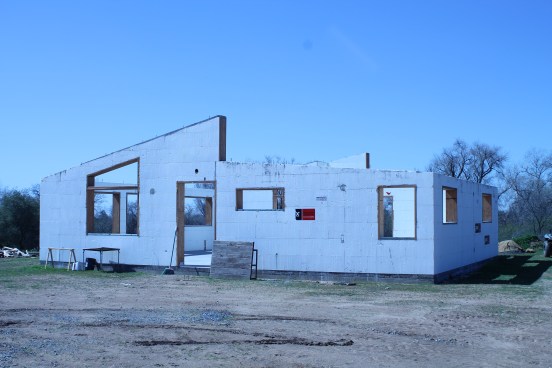
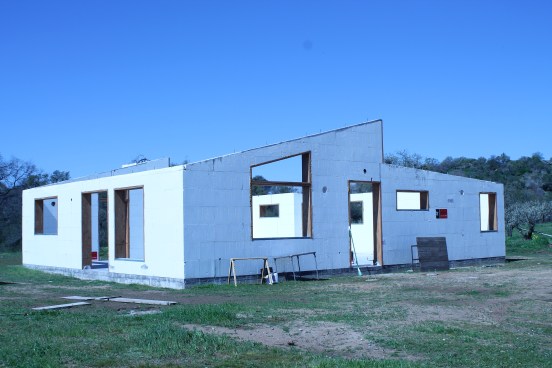
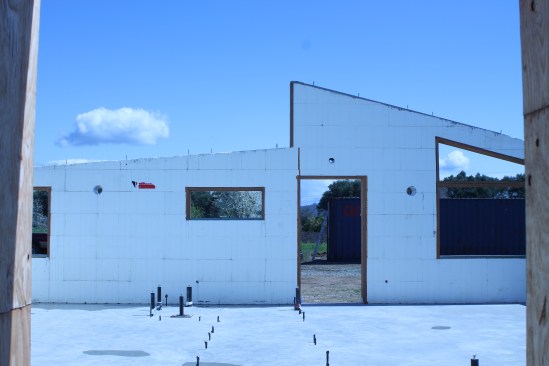


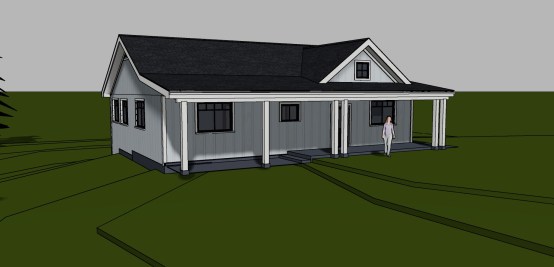
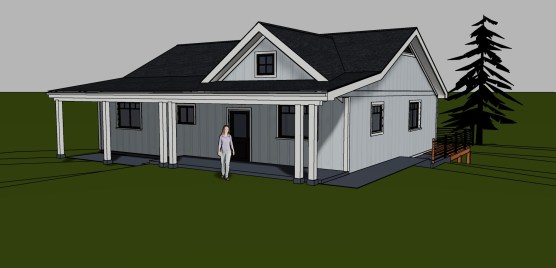
Below is a home project that is to be built in Loomis using insulated concrete forms. A very unique project as directed by the needs and desires of the clients. This home is designed to be energy efficient using passive solar energy.
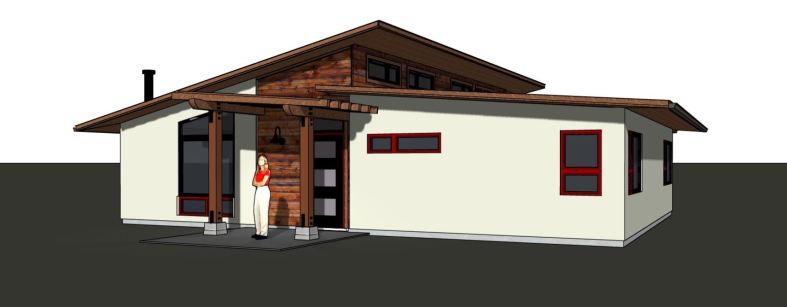
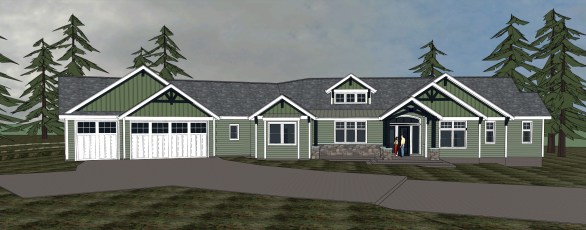
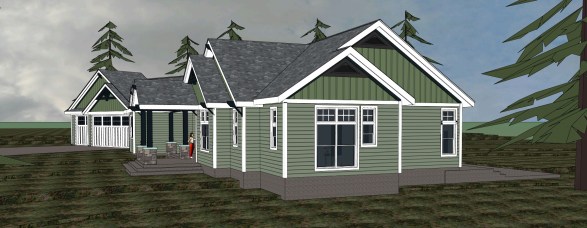
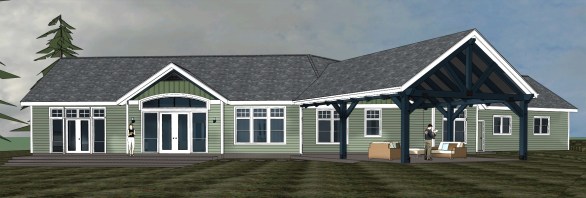
With so much overwhelm and complexity in today’s world, many are choosing to simplify their lives. The cost of living, the choice to live more sustainably as well the decision to spend time traveling or pursuing other interests can lead us to make the choice to live in a smaller physical footprint. The “tiny house movement” as well the Swedish activity of “death cleaning” are signs that there is an awareness away from the cultural bent towards consumerism towards a more mindful approach to living.
As a person with a bent toward Buddhism, I believe in the strength of the notion of the “middle path”—to not live at the extremes by being either excessive or too restrictive. As such, my personal choices (which I like to think are moderate, balanced, thoughtful, sustainable and practical) tend to bleed into my approach to building and designing spaces. With our lives busier than ever, with decision fatigue having an effect on us more than ever, making our choices simple and easy as possible comes as a huge relief for most of us. I ask: how are we able to maintain our lives as effortlessly as possible, to keep our burdens to a minimum while still being able to enjoy and live our lives to the fullest?
That said, below are some approaches for designing spaces a that can help us achieve a some of these goals:
All in all, the trend toward smaller homes is something that can be embraced gracefully and practically, making time for other engaging activities other than cleaning and over-working to pay a mortgage or rent. It is also important to recognize that our time here on the planet is precious: that it is vital to both be aware of how we utilize our resources now, as well as to acknowledge that the residue we leave behind does matter.
Once your home is out of the permit phase and heading toward the building phase, it is important to begin to have your finishes (tile, paint, flooring, final window types, etc.), appliances, hardware and fixtures picked out. Make sure you or your builder has the scheduled deliveries in a timely manner so that your project does not get slowed down. It is ideal to order and catalogue your selections as well as to have a place to store them so that your builder has access to them when the appropriate phase of construction requires them. Some big box stores, local hardware stores, builder referrals, and on-line resources are great places to look for your final selections.
Below are some ideas to get you to start thinking about how to select your finishes / fixtures / appliances:
Once you have decided to build a project, it is never too soon to begin cataloging all the materials, finishes and appliances you would like to incorporate into your space. At that point, access, price and scheduling become crucial. Ultimately though, finish, fixture and material selection can be the most exciting part of the building process – because it is this aspect of the project that will make it unique to you.
I have studied and incorporated feng shui principles into my design practice for many decades now. Feng shui is a Chinese philosophical system that is intended to harmonize us with our environment. Some of the feng shui principles are common sense, others work at another level: the subconscious. You may have noticed that you feel comfortable in one space and not in another and yet are unable to figure out why that is. Many basic feng shui tenets are based on the “subconscious” or normally invisible forces that hint at why a space may not feel right.
In designing a project, I incorporate feng shui principles as best I can as it usually helps to create a strong and balanced space. There are some personal design preferences that I incorporate into a project as well for flow factor and for the ease of cleaning. Below are many feng shui principles, passive solar design ideas, and some of my own.
My hope is that this gave you some basic design principles to consider when designing or remodeling your home. I have found that incorporating these ideas into your design can significantly increase the flow and harmony of your home.
 FOXLEY DESIGN