Climate Change and Environmental Protections

Climate change aka climate crisis is on our minds lately, especially with the never-ending heatwave we have had here in the Western part of the Country this Summer. Most of us are concerned about the future of our planet and the legacy we our leaving behind for our children. I do feel some hope though, especially with the recent urgent call to action (especially in the White House). Policies are being put in place to help combat climate change -measures that will protect both citizens and the planet as a whole. California is on the leading edge of such environmental regulations – and I see that the rest of the Country is taking note.

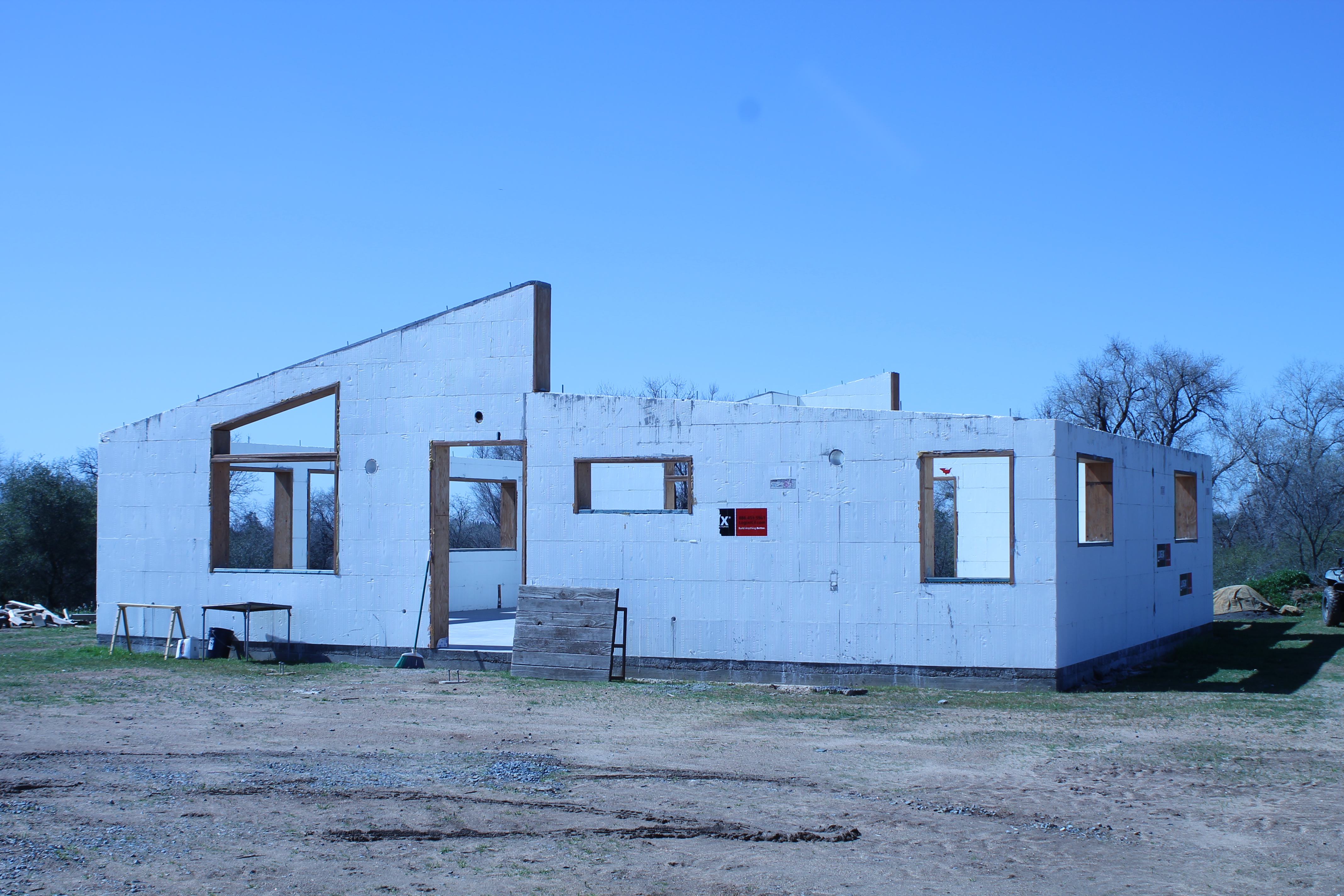
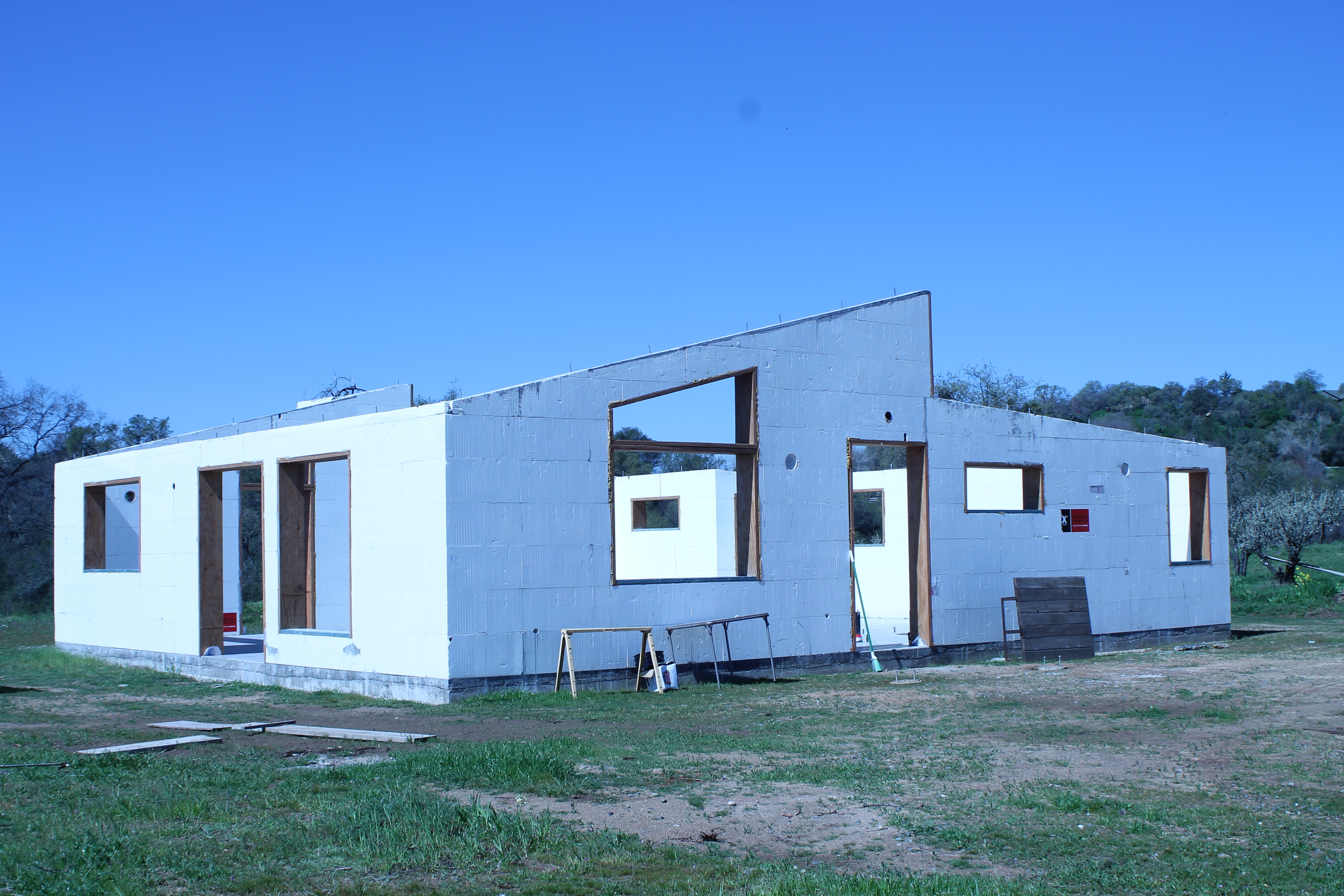
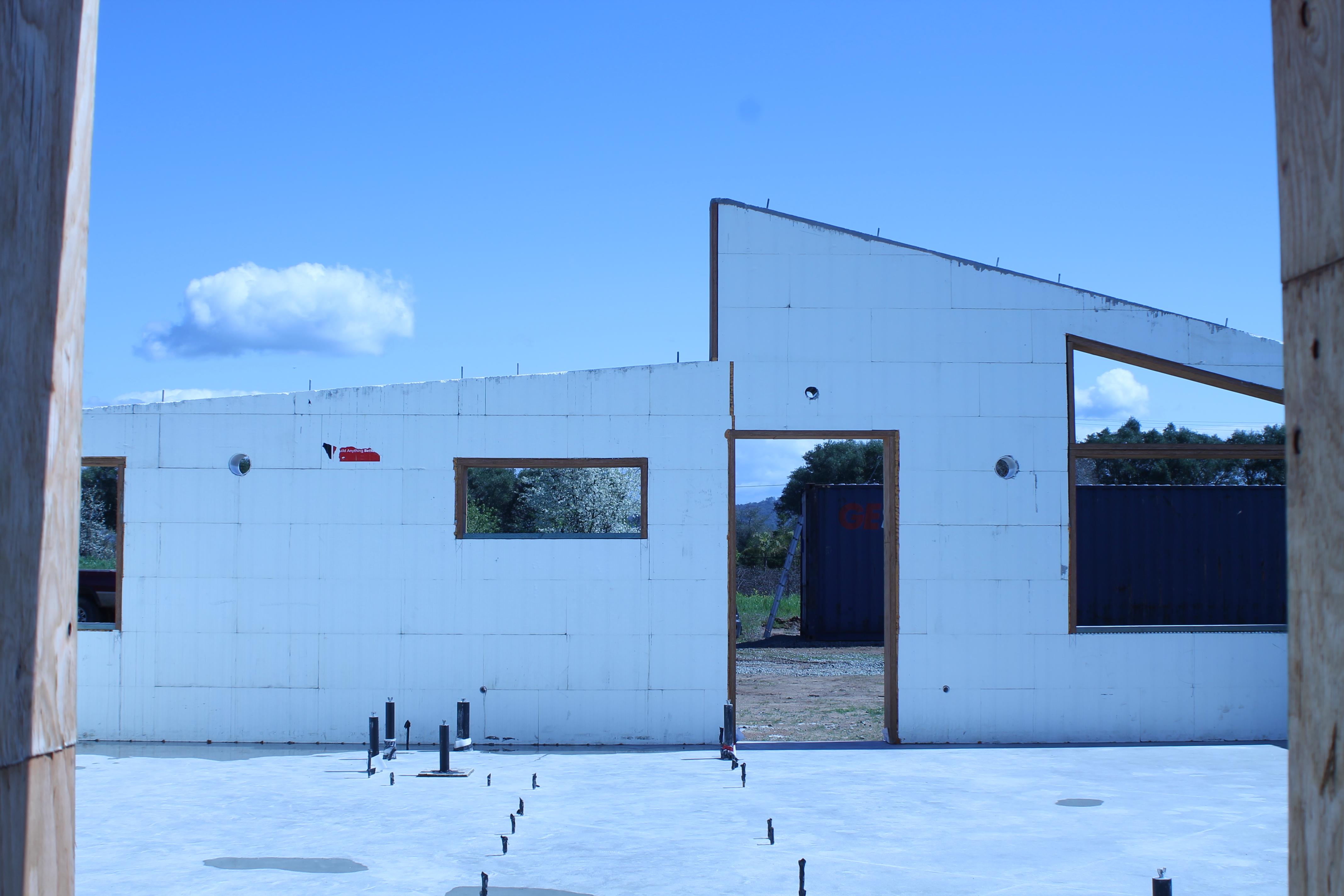
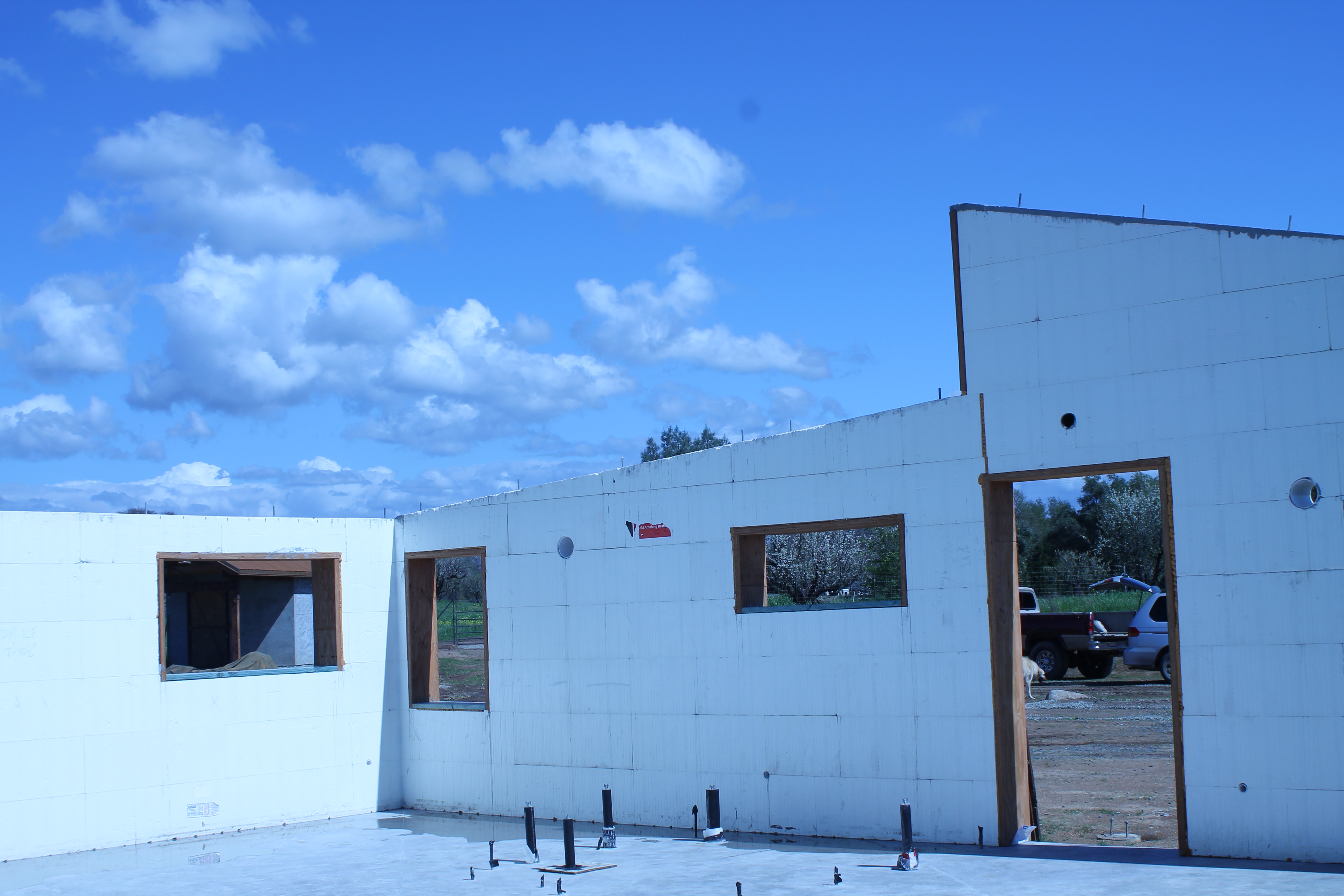
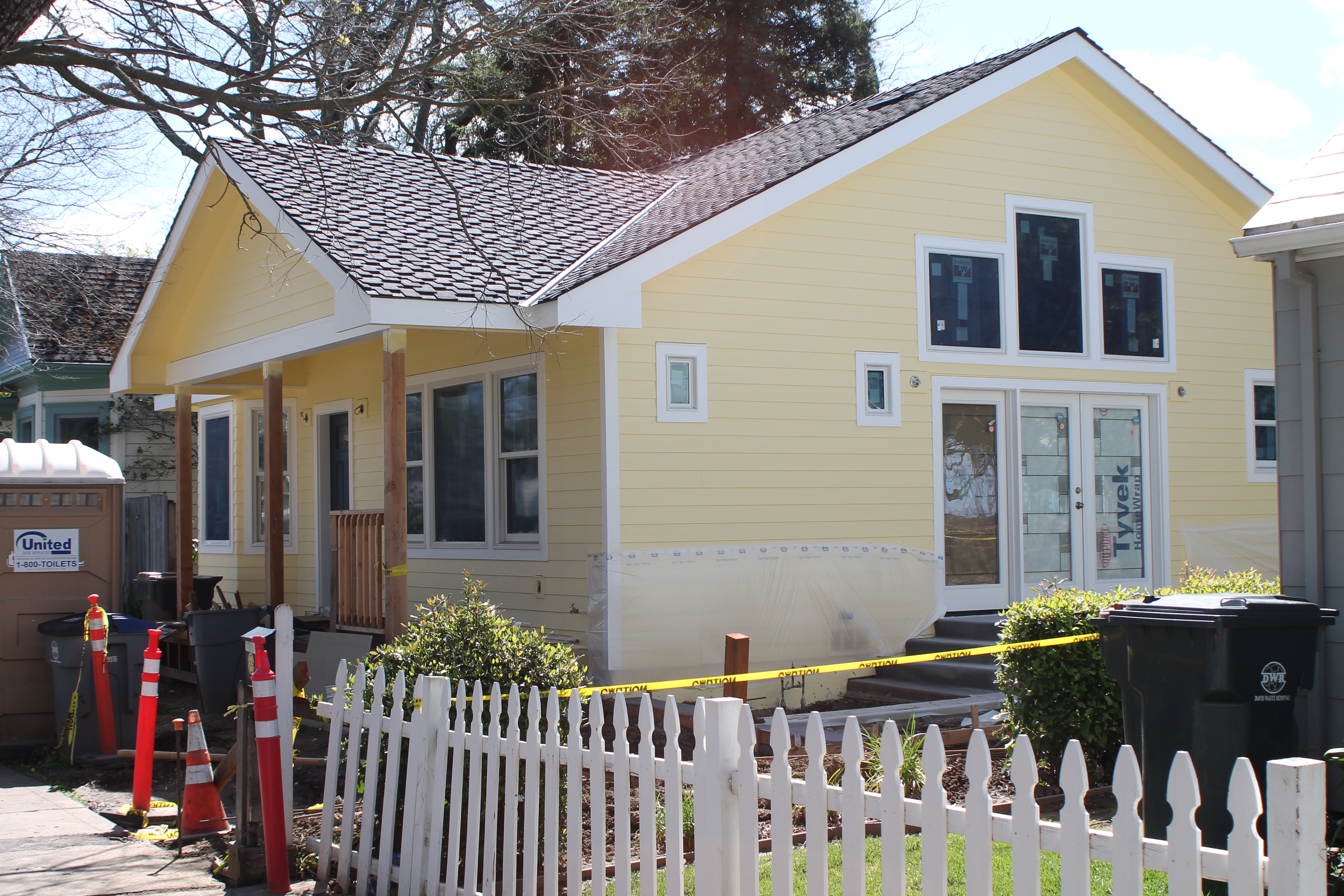
Not only is the policy focus on the transportation, farming, and manufacturing industries to lower carbon emissions and toxic pollutants in our environment, but so is the building industry. In California, we have building codes, California Green Codes, energy codes and Wildland-Urban Interface requirements that all address climate change. California Green Codes require efficient water use, waste management (including recycling requirements), and minimal use of toxic materials in building projects. Energy codes mean that the mechanical system in your house is efficient and that it is well-insulated. Taxpayers also receive energy credits for adherence to energy code prescriptions. More and more, heating and cooling systems are going ductless and electrical – which is great for both the consumer and the environment in the long run. Wildland- Urban Interface (WUI) requirements for buildings outside of an urban area mean that your building will be built in a more restrictive way to aid in wildfire mitigation. More fire resistant materials are utilized and the method of construction helps to restrict fire intrusion. A defensible space or a fire break is also required at the perimeter of a all projects. Moreover, California requires that all new homes install sprinklers for fire mitigation and solar panels for energy conservation.

As a result of these requirements, the upfront cost for consumers for constructing a new building in California is a lot higher than many other regions in the country. However, this cost is offset by taxpayer credits and long-term energy savings. Other benefits include: cleaner air, safeguarding of water resources, less waste in landfills, more fire-resistant structures, among others. These provisions may feel restrictive, but in my view, anticipatory for potentially safe-guarding the one planet we have.
Sustainable and Green Solutions

Registered architects are obligated to inform clients of sustainable and/ or green materials and means of construction their building projects. In California, there are many Green Building Codes in place that ensure not only the safety of the consumer, and the installer but also that of the affected physical environment in which the material is placed. Materials that are found in nature or developed without a high level of processing can typically be considered sustainable.

Vinyl (though often chosen for it’s affordability) is not considered a green product. Not only is the manufacturing process extremely toxic, but phthalates plasticizers can leach or migrate into the environment. Humans are exposed to the dangers of vinyl migration through ingestion, inhalation, and dermal exposure.

In the housing market, vinyl windows ubiquitous. However, there are considerable alternatives on the market that are fairly competitive in price such as fiberglass or metal windows. In the long run, these alternates will add significant value and quality to your building project.

There are of course many green alternatives to vinyl flooring as well. Cork, linoleum tile and wood (preferably recycled or sustainably harvested such as bamboo) are a great alternative to plastic materials. Not only will the tactile quality and visceral ambiance of your home be enhanced, but so will your mental, physical and emotional health. As consumers, we vote for with our dollars. Let’s all choose greener materials when building to help, if nothing else, help reduce the affects of climate change.

The Moderately-Sized Home

With so much overwhelm and complexity in today’s world, many are choosing to simplify their lives. The cost of living, the choice to live more sustainably as well the decision to spend time traveling or pursuing other interests can lead us to make the choice to live in a smaller physical footprint. The “tiny house movement” as well the Swedish activity of “death cleaning” are signs that there is an awareness away from the cultural bent towards consumerism towards a more mindful approach to living.

As a person with a bent toward Buddhism, I believe in the strength of the notion of the “middle path”—to not live at the extremes by being either excessive or too restrictive. As such, my personal choices (which I like to think are moderate, balanced, thoughtful, sustainable and practical) tend to bleed into my approach to building and designing spaces. With our lives busier than ever, with decision fatigue having an effect on us more than ever, making our choices simple and easy as possible comes as a huge relief for most of us. I ask: how are we able to maintain our lives as effortlessly as possible, to keep our burdens to a minimum while still being able to enjoy and live our lives to the fullest?

That said, below are some approaches for designing spaces a that can help us achieve a some of these goals:

  1. Keep unnecessary circulation (aka hallways) to a minimum. This may also include keeping doorways to the exterior of a home to a minimum. The more doorways, potentially the less useable living space there is that is taken up by circulation (unless the requirements of the home necessitate this, then, of course, go for it!).


  1. Avoid awkward spaces or excessive corners in a home that are difficult to vacuum or clean for obvious reason. Do you really want to have to clean under a clawfoot tub for example? Or, maybe the choice of the tub outweighs this chore?


  1. Create lots of organized storage areas. If your space is small, everything needs to have a place. Linen closets, wardrobes, pantries, medicine cabinets, coat closets are a premium for any living space, but especially for small living areas.


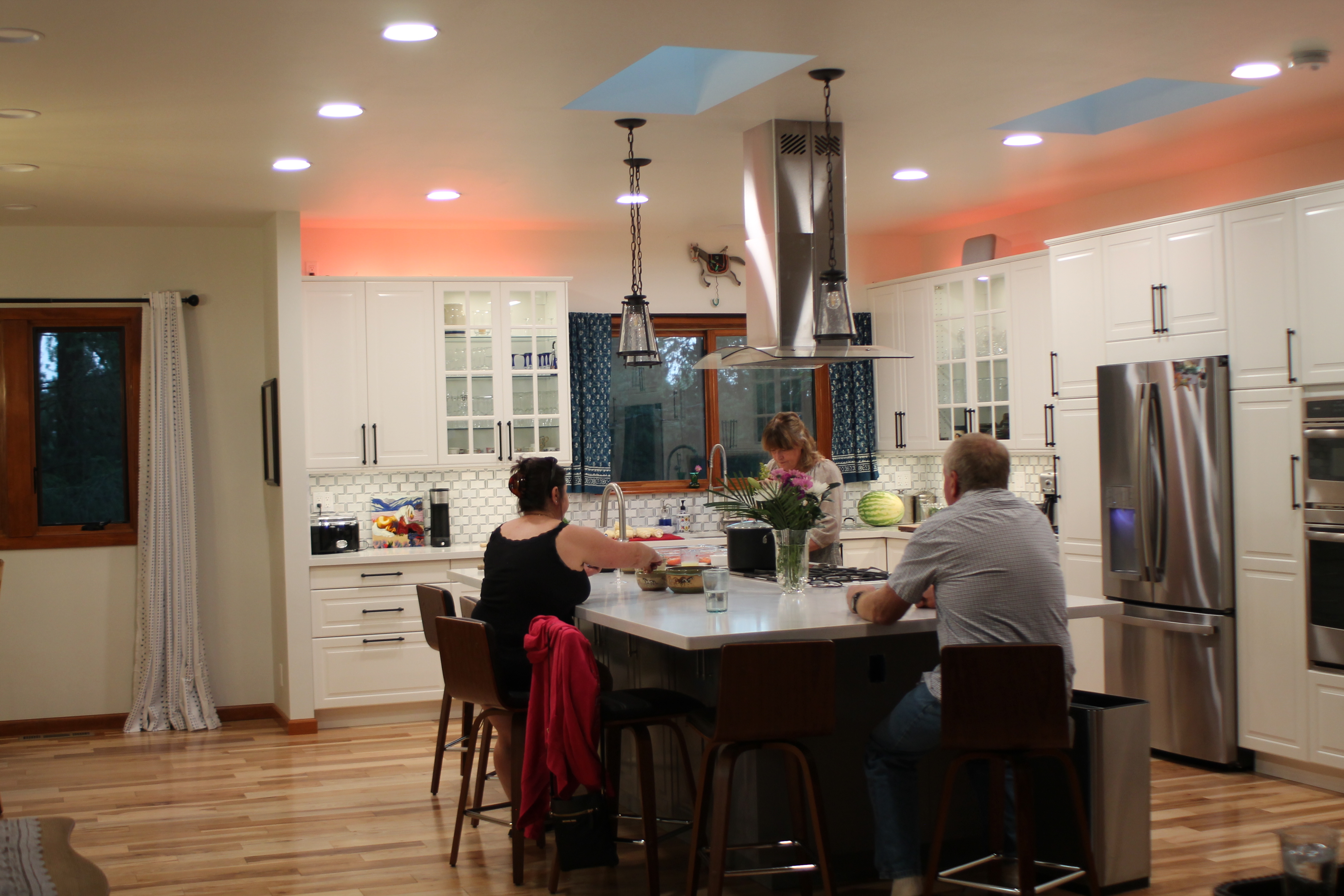
  1. Open plan living provides communality and can make a small living area appear larger. I like the idea of a kitchen that opens up to a great room, where the dishwasher can engage in a conversation or watch a movie. This is also why kitchen islands are so great.

All in all, the trend toward smaller homes is something that can be embraced gracefully and practically, making time for other engaging activities other than cleaning and over-working to pay a mortgage or rent. It is also important to recognize that our time here on the planet is precious: that it is vital to both be aware of how we utilize our resources now, as well as to acknowledge that the residue we leave behind does matter.